
What Is Fika? The Swedish Coffee Break Explained
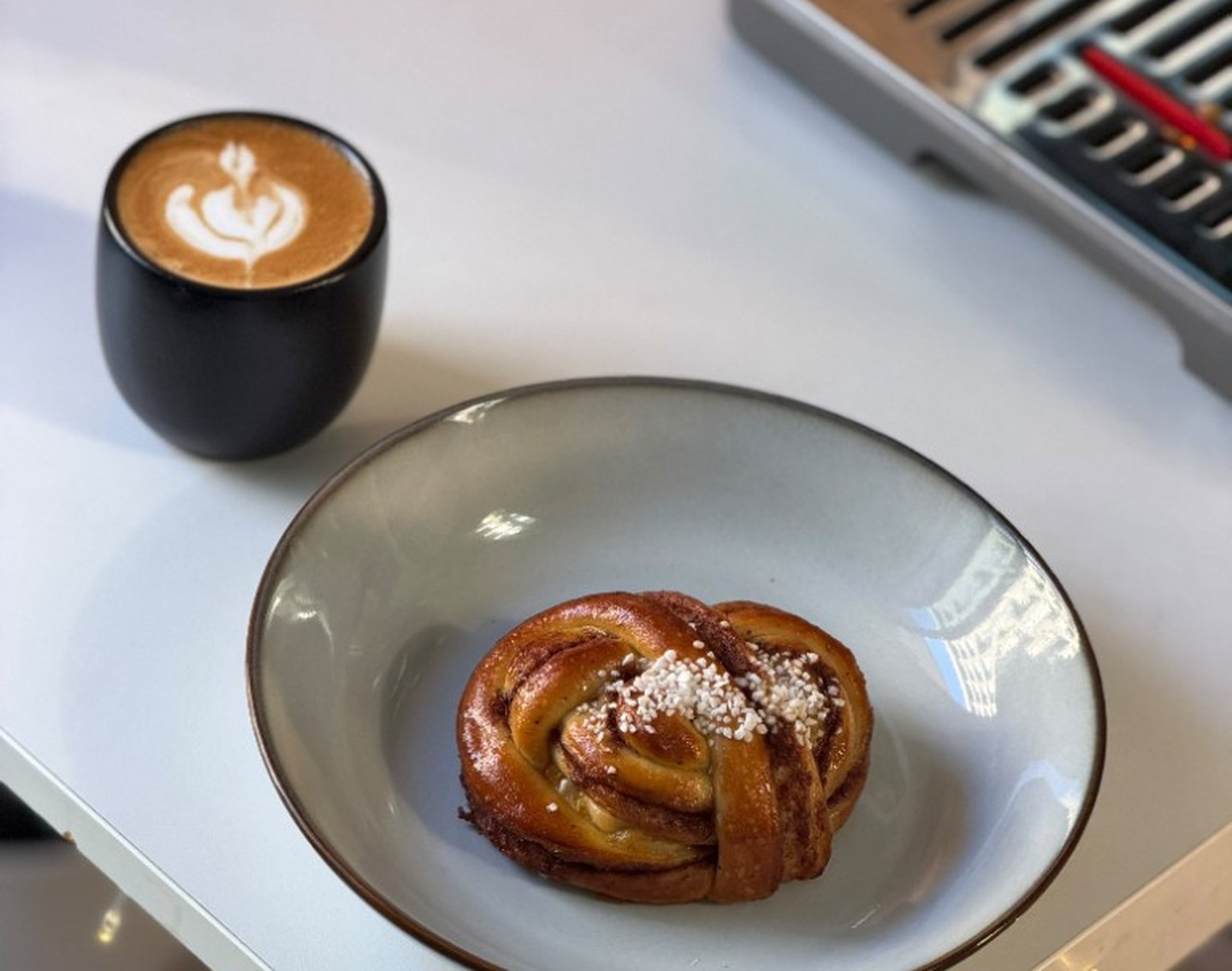
Fika is one of Sweden’s most loved traditions. It is a pause for coffee, something sweet and connection. For Älskar Fika, it’s the heart of the brand and the reason our Swedish bakes are made to be shared at home, in offices, at events and anywhere people need a thoughtful pause.
More than a coffee break
Fika is one of the simplest Swedish traditions to describe, but one of the richest to experience.
At its simplest, Fika means pausing for coffee and something baked. But in Swedish life, it is more than a drink and a snack. It is a small social ritual. It is a reason to stop, sit, talk and share something.
Fika can happen at home, at work, in a cafe, during a family visit, between friends or in the middle of a busy day. It can be planned or spontaneous, and a quiet moment or a lively one. What matters is the pause from the norm.
That is why Älskar Fika exists. We are not only bringing Swedish buns to Dubai. We are bringing a Swedish way of slowing down for a moment.
Where the word comes from
The word “Fika” has a lovely story behind it.
Visit Sweden explains that the word is believed to come from “kaffi”, an older Swedish spelling of coffee, and the syllables were reversed, eventually becoming “fika”. At first, Fika referred mainly to the coffee itself. Over time, the baked goods and the social moment became just as important.
This is why Fika is difficult to translate directly. It is not simply “coffee”. It is not simply “cake”. And it is not simply a “break”.
It is all of those things wrapped into a cultural habit.
Coffee arrived in Sweden centuries ago and became deeply embedded in daily life. As home baking developed and coffee gatherings became part of Swedish culture, Fika became a place where coffee, baked goods and conversation came together.
Today, Fika is one of the most recognisable parts of Swedish lifestyle.
Fika at work
One of the most interesting things about Fika is its role in Swedish workplaces.
Fika can be a daily work break where colleagues gather for coffee and something sweet. It creates a moment without a formal agenda. People can talk about work, but they can also talk about life, which can soften the day.
That is important because workplaces are not just systems of tasks that need doing. They are communities of people. Short shared moments can help people feel more connected, especially in busy or high-pressure environments.
This is part of the reason Fika could work so well in Dubai.
Dubai offices are often fast-moving, multicultural and ambitious. Teams may be made up of people from many countries. A shared Fika moment gives everyone something simple to gather around: coffee, bakes and a pause.
It is not complicated, which is the point.
Fika at home
Fika is also part of home life, and part of my upbringing. There were so many reasons for it, but they all brought the same benefit: the pause. At home it worked well as weekend coffee with family, a tray of buns when friends visited, or a small afternoon pause with my younger cousins running around.
The beauty of Fika is that it does not need to be dramatic. A good cup of coffee, a cinnamon bun, a cardamom bun or a piece of kladdkaka can be enough.
For families in Dubai, Fika can become a warm home ritual. It can be an after-school pause, a weekend box to share, a treat for guests or a small way to bring people together.
The social value of Fika
Fika matters because it combines three simple things:
- A pause
- Something to share
- A reason to connect
That is why it feels different from grabbing a coffee on the go. Fika slows the moment down.
We have all experienced how modern life can make people efficient but disconnected. We see it with people eating at desks, answering messages while drinking coffee, and jumping from task to task. Fika interrupts that pattern gently.
It says: sit down for a moment.
That idea is not only pleasant. It is also aligned with broader wellbeing thinking. Social connection is increasingly recognised as important for mental and physical wellbeing. In the States, the CDC notes that social connection can help reduce risks associated with serious health outcomes, and the WHO has highlighted social connection as a factor that supports health and quality of life.
Fika is not a healthcare intervention. It is a cultural habit that creates a simple setting where connection can happen more naturally.
What belongs in a Fika moment?
There are many ways to Fika, but common Swedish bakes include:
- Kanelbullar: Swedish cinnamon buns
- Kardemummabullar: Swedish cardamom buns
- Vaniljbullar: vanilla buns
- Chokladbollar: chocolate oat balls
- Kladdkaka: sticky Swedish chocolate cake
- Seasonal bakes such as saffron buns or gingerbread cookies (pepparkakor)
The bakes are important, but Fika is not about perfection. It’s about the moment. A simple bun can be enough if it is shared with care.
At Älskar Fika, the bakes are made to support that moment. They are soft, aromatic and coffee-friendly. They are not designed to be rushed, but enjoyed at a gentle pace.
Why Fika belongs in Dubai
Dubai is busy, international and full of hospitality. It is a city where people work hard, meet often and value good food experiences.
Fika fits because it offers something familiar and different at the same time. Coffee culture, office catering and event hospitality already exist here, and Fika brings a Swedish layer to those moments.
For a business, it can turn a normal coffee break into a thoughtful team moment.
For a family, it can turn a box of bakes into a weekend ritual.
For a cafe, it can create a beautiful coffee pairing.
For an event planner, it can give guests a memorable story.
Fika is simple, but meaningful
The power of Fika is that it does not require much.
Coffee.
Something baked.
A pause.
A conversation.
That is enough.
And sometimes, in a city moving as quickly as Dubai, enough is exactly what people need.